Introduction
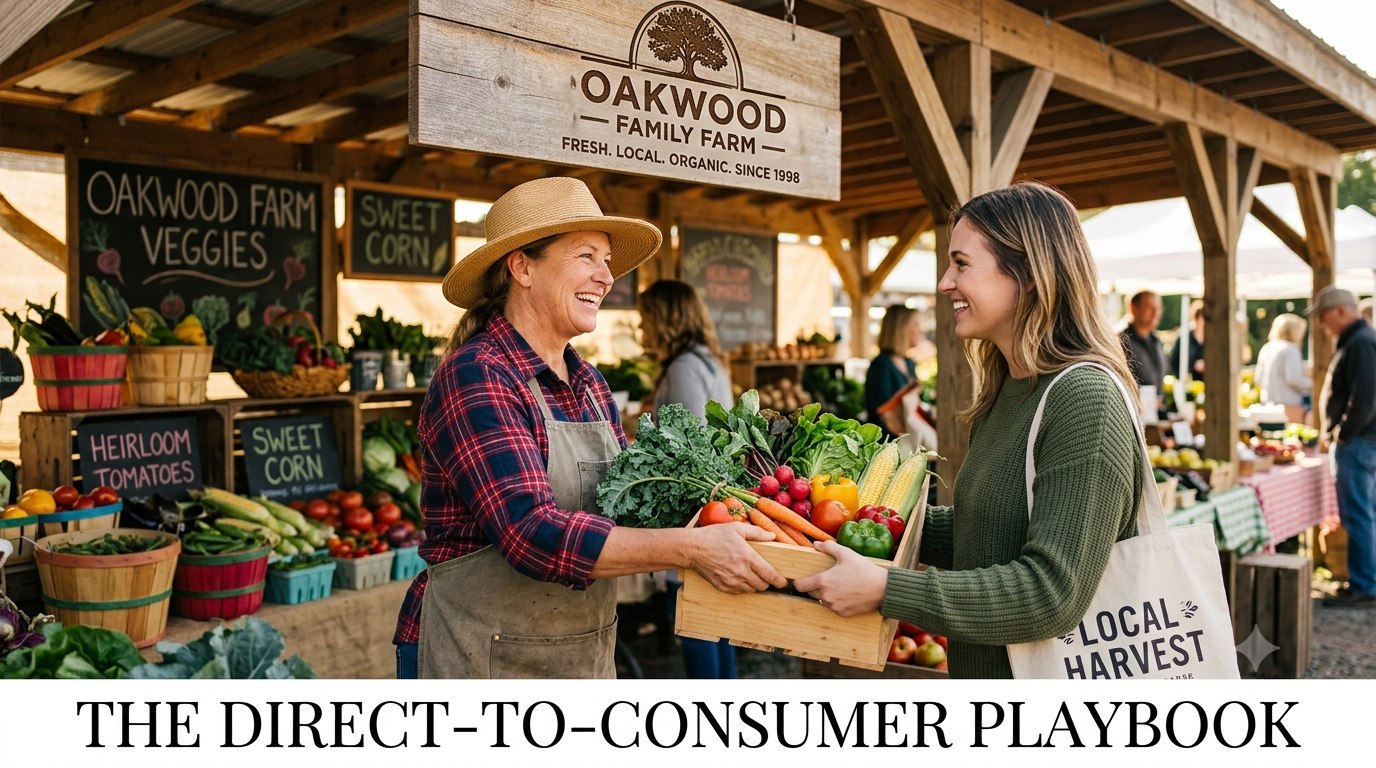
In agricultural marketing, trust is the most valuable currency. Across the globe, consumers are increasingly skeptical of supermarkets, with one study finding that 40% of Australians are switching away from major retailers in search of better transparency and quality . Meanwhile, farmers in Switzerland have built a remarkably successful direct marketing system based on an implicit social contract, where 95% of goods in unstaffed farm shops are paid for correctly .
What makes these farmers successful isn’t just the quality of their produce—it’s the trust they’ve built with their customers. This guide explores how agricultural businesses can leverage content marketing to build trust, connect with consumers, and drive sustainable growth.
H2: The Science of Agricultural Content Marketing
Recent academic research published in SAGE Open has identified the types of content that actually influence consumer decisions in agricultural markets . The study, which used a mixed-method approach combining LDA topic modeling and grounded theory, mapped how different content types influence consumers through five key stages: Aware, Appeal, Ask, Act, and Advocate.
H3: The Five Content Types That Drive Results
Research has identified five common types of agricultural content marketing that actually move the needle :
- Origin Traceability: Content showing where food comes from—paddock photos, processing videos, supply chain transparency. This builds source credibility awareness.
- Daily Situational: Behind-the-scenes content showing the real rhythm of farm life. This triggers emotional identification.
- Product Recommendation: Showing products in action, with real-world use cases. This reduces perceived risk.
- Key Opinion Leader: Expert interviews and educational content positioning you as a trusted authority.
- Selling Pitiful: Content highlighting struggles or challenges. This type is risky—fabricated hardship stories undermine consumer trust .
H3: The 5A Journey
The research reveals that consumers don’t make decisions in a straight line. They move through five stages, and different content types matter at different points :
| Stage | Goal | What Works |
|---|---|---|
| Aware | Getting noticed | Origin traceability, professional identity |
| Appeal | Building interest | Everyday scenes, immersive experiences |
| Ask | Addressing hesitation | FAQs, risk explanations, specific promises |
| Act | Driving purchase | Behavioral nudges, repeat purchase strategies |
| Advocate | Creating loyalty | Positive reviews, customer participation |
H2: The Challenge of Content Fatigue and Authenticity
The same research that identifies effective content types also warns of significant challenges facing agricultural content marketing :
H3: The Authenticity Crisis
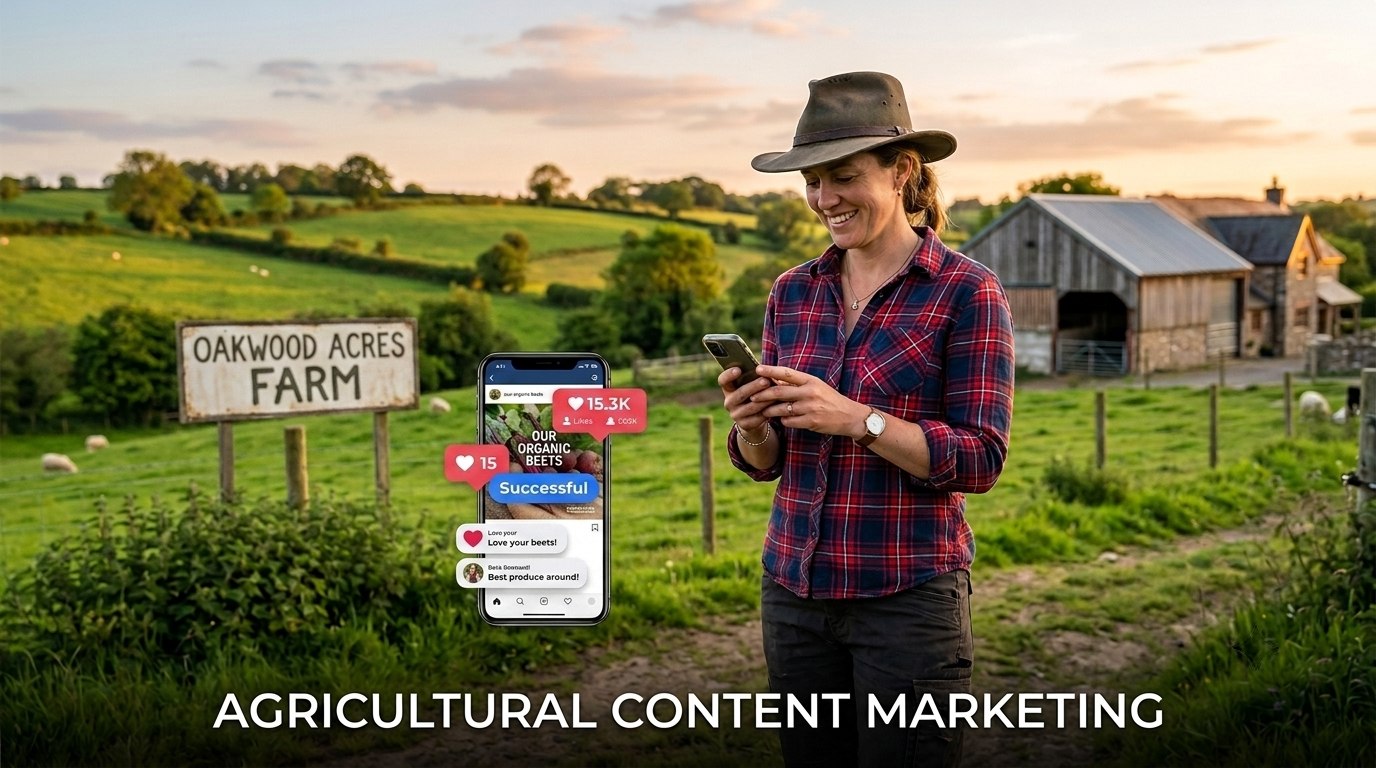
Some content is created purely to attract attention, using “fake pitiful life experience scripts, fabricated unsold product stories, or vulgar performances that misrepresent rural life” . This short-sighted pursuit of traffic undermines consumer trust and may damage the reputation built by agricultural products over many years.
H3: Content Fatigue
As celebrities, influencers, officials, and farmers all engage in content marketing, homogenization weakens consumer interest. Content fatigue is real, and audiences are becoming harder to engage .
H3: Sustainability Challenges
“Viral success is easy, but long-term influence is hard to maintain” . Many content creators lack the ability to sustain operations, rising quickly in popularity then fading away.
H2: Case Studies in Trust-Driven Content Marketing
H3: NUA 45—Building a Brand Against All Odds
In Zimbabwe, a government-bred common bean cultivar called NUA 45 defied market barriers to build a powerful brand. Despite being a red mottle-colored cultivar in a red-speckled-bean-predominated country, and lacking promotion investment, NUA 45 succeeded through a systematic approach to awareness creation, collaboration, and commercialization .
The key was understanding the needs and preferences of different value chain actors, developing targeted messages, and engaging local farmers, retailers, and partners. By developing compelling stories and leveraging digital channels to reach customers seeking personal experiences, the cultivar’s name moved “from a mere label to a spontaneously endorsed lifestyle and a brand that ‘spread like wildfire'” across the country and the SADC region .
H3: Vinaseed—Marketing with Empathy
Vinaseed, an agricultural company in Vietnam, has built a reputation for being there for farmers across all digital platforms. Their marketing strategy balances technology and humanity, data and emotion .
What sets them apart is how they handle customer engagement. “Every question from a farmer—even just a comment or a message—is answered promptly, with information constantly updated” . In June alone, Vinaseed’s digital content reached 1.4 million impressions on Facebook.
One distributor noted: “Only Vinaseed has marketing staff who also sell, who teach like engineers, answering every question from farmers” . This dedication has become their “soft power,” building deep trust with farming communities.
H3: Absa AgriBusiness—Conversation-Led Marketing
In South Africa, Absa AgriBusiness faced a challenge: farmers were navigating rising input costs, export instability, and increasing environmental pressure, and traditional marketing wasn’t resonating .
Their solution was to dismantle the static AgriTrends report and pivot to a high-impact, conversation-led audio strategy. By transforming the report into a dynamic podcast and vodcast series, they turned complex economic data into accessible, human, expert dialogue .
The results were dramatic:
- Downloads increased by 2,860%
- The vodcast generated over 300,000 listens
- The campaign exceeded one million impressions
Beyond metrics, the campaign repositioned Absa from a financial service provider to a credible thought partner within the agricultural sector. “In agriculture, trust is not claimed. It is earned—one conversation at a time” .
H2: Building Your Trust-Based Marketing Strategy
H3: Define Your Goals
Start by tying content to concrete business outcomes. For most agricultural SMEs, typical goals include :
- Generate qualified enquiries from a specific segment
- Shorten the sales cycle by answering objections upfront
- Retain existing customers through better education and support
- Grow a contact list for email and SMS
H3: Know Your Audience
Agriculture is never “one audience.” Create 2-4 simple profiles based on the customers that matter most :
- Growers with clear regions, scales, and main pain points
- Supply chain partners who care about consistency, traceability, and risk
- Rural advisers and influencers who influence purchasing decisions
For each profile, document what a “good year” and a “bad year” looks like to them, the language they use, and what stops them from saying yes .
H3: Map Content to the Buying Journey
Farm businesses rarely make major changes overnight. Design content that supports the journey from “I have a problem” to “I will switch supplier” :
- Problem-aware: Validate pain points like rising input costs or labour shortages
- Solution-aware: Explain the different options with clear pros and cons
- Product-aware: Compare your offering to alternatives using transparent data
- Most-aware: Provide “how to buy” information and implementation guides
H3: Use Ag-Specific Proof
In agriculture, trust is built on results, not claims. To make your content more persuasive :
- Include real numbers from trials and commercial farms
- Use farmer quotes that sound like real conversations
- Show before-and-after paddock photos, grazing charts, or yield maps
- Position your technical staff as trusted educators rather than product pushers
H3: Stay Consistent and Measure What Matters
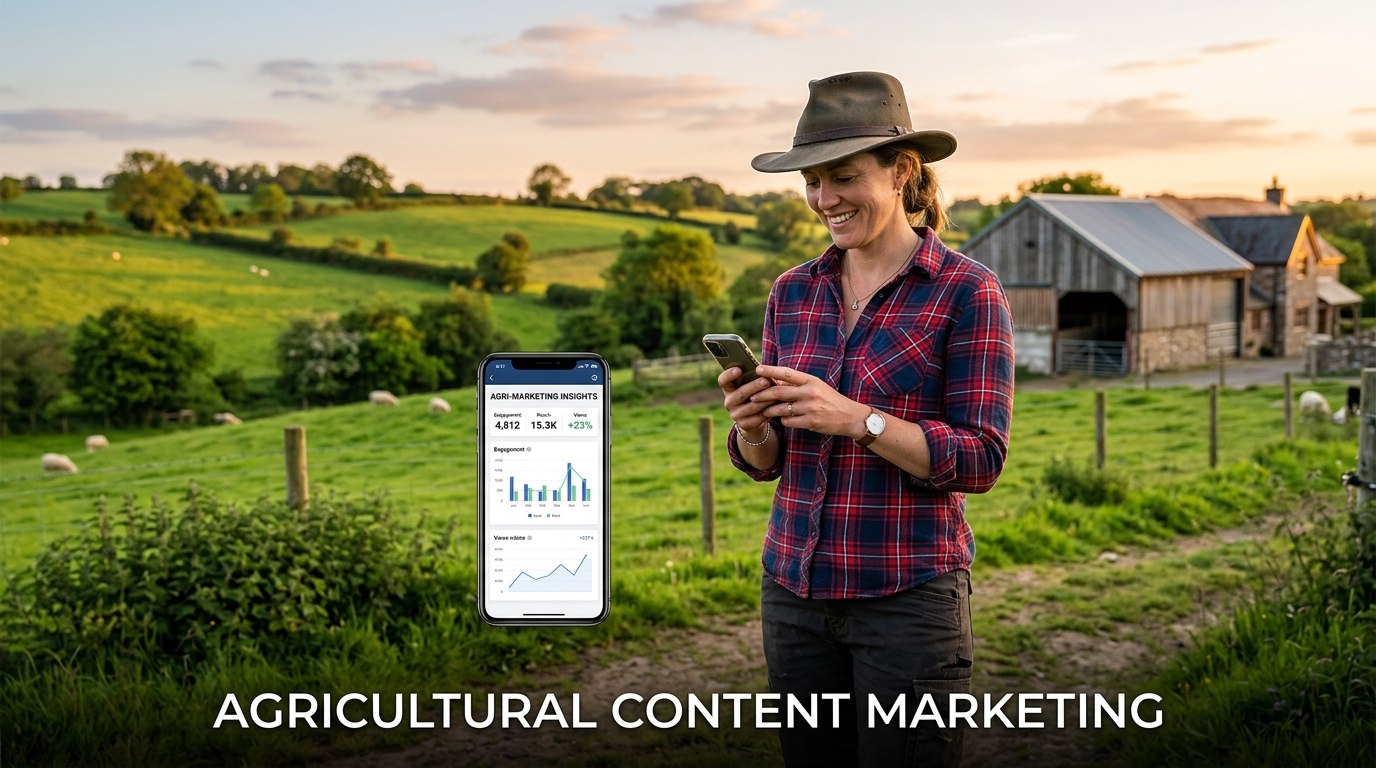
For lean teams, focus on tracking :
- Which pages and topics attract the most engaged traffic and lead to enquiries
- Which emails or posts drive visits from your key regions or segments
- Which pieces your sales team actually uses in the field
Decide what to update, repurpose, or retire based on data and feedback each season .
H2: Conclusion
Building trust through agricultural content marketing isn’t about creating viral moments—it’s about being consistently present, authentic, and valuable to your audience. The most successful agricultural marketers understand that trust is earned over time, one conversation at a time.
The research is clear: different content types work at different stages of the consumer journey. The most effective content triggers emotional identification while reducing perceived risk. And authenticity isn’t negotiable—audiences can spot inauthenticity, and fabricated stories undermine the trust that agricultural businesses have built over generations.
As one distributor put it: “Only [businesses that truly understand their customers have] marketing staff who also sell, who teach like engineers, answering every question from farmers” . In the age of AI and rapid technological advancement, one truth remains: to truly touch a farmer’s heart, we must start from understanding.