Introduction
There’s a quiet revolution happening in agriculture, and it’s not just about how we grow food — it’s about how we sell it. More farmers and producers are bypassing traditional supply chains and selling directly to consumers. This shift brings incredible opportunities: better margins, direct feedback, and the chance to build a loyal community around your brand. But it also presents a unique challenge: you’re no longer just a producer; you’re a marketer, a storyteller, and a customer service team, all rolled into one.
This guide dives into the practical strategies for creating content that doesn’t just get likes but actually drives sales. We’ll focus on building trust, telling your unique story, and turning casual followers into loyal customers — all while keeping your sanity intact.
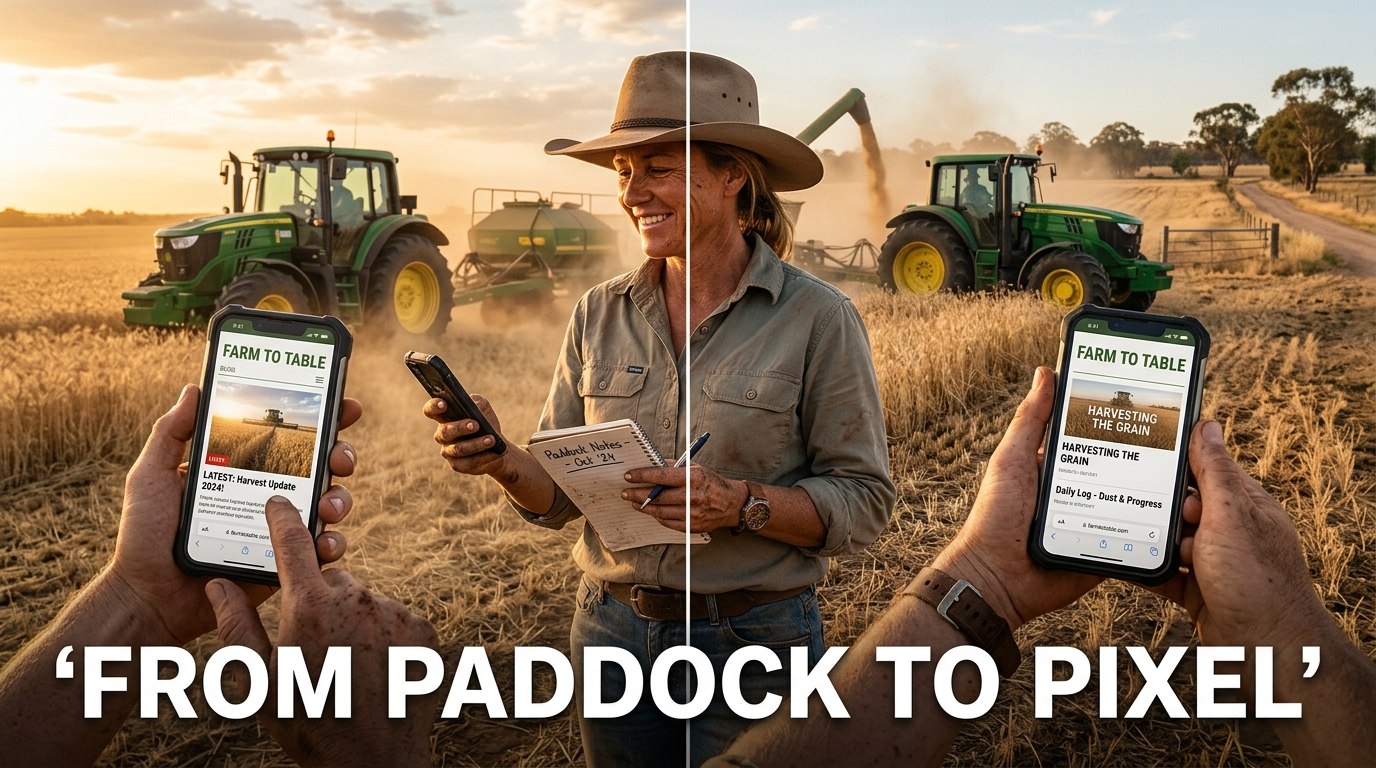
H2: From Paddock to Plate: The Power of Telling Your Farm’s Story
In a world where consumers are increasingly disconnected from where their food comes from, the story behind your produce is your most powerful asset. It’s what separates your product from a supermarket alternative. It transforms a simple transaction into a meaningful connection.
H3: Why Storytelling Works
A farm’s story offers a potent blend of authenticity, transparency, and emotional connection. When you share the “why” behind your practices—why you raise your animals a certain way, why you choose specific varieties, why you farm the way you do—you invite customers into your world. This transparency builds trust, and trust is the currency of direct sales.
H3: The “Fruit Nerd” Approach
Thanh Truong, known as the ‘Fruit Nerd’, is a powerful example of this in action. He believes a key issue in agriculture is that content creators often preach to the converted, failing to connect with consumers further down the supply chain. To truly shift the needle, Thanh argues, farmers need to consider the consumer’s perspective, purchase decisions, and understanding of agriculture in their content. By building a personal connection first, you create a relationship that makes your agricultural messages resonate more deeply when you do share them.
H3: Practical Storytelling Ideas
- The Origin Story: Why did you start farming? What’s the history of your land? This “About Us” content is the bedrock of your brand.
- Meet the Farmer: Introduce the people behind the produce. Short video profiles of you, your family, or your team can be incredibly engaging.
- Standards and Ethos: Don’t just say you farm sustainably; show it. “Sustainable farming practices aren’t just good for the planet – they’re a powerful way to build your farm brand and set yourself apart,” says marketing expert Hayley Parker. Make these practices a core part of your narrative.
- Day-in-the-Life: As social media specialist Gillian Fennell advises, “Your daily routine is content gold”. A video of you checking on the flock, harvesting vegetables, or even having lunch in the paddock can spark incredible engagement.
H2: Creating Content That Converts: Education and Trust
While storytelling builds an emotional connection, educational content builds your authority. By sharing your knowledge, you become a trusted source of information, which is critical for convincing a customer to buy from you.
H3: Content That Answers Questions
A comprehensive study on ag-content marketing found that content types focusing on origin traceability and daily situational life are powerful influencers. This is because they build what the study calls “source credibility awareness”. When you show and explain your processes, you reduce the consumer’s “perceived risk” and make them more comfortable with their purchase decision.
Content Ideas:
- How-To Guides: “5 Easy Recipes to Make with Fresh Summer Tomatoes”. This type of content is practical, drives traffic, and keeps customers engaged.
- Technique Explainers: Write a blog post or create a short video explaining a specific technique, like rotational grazing or your approach to pest management.
- FAQs: Anticipate customer questions. “If a customer asks a question, we answer it forthrightly,” says Jeremy Buxton of Eve’s Hill Farm, who also advises using frequently asked questions on a website.
- Seasons: As Farm Table suggests, anchor your content around the seasons. A post on “How to Store Your Winter Squash” is timely and immediately useful.
H3: The Importance of Visuals
Agriculture is a visual industry, and farmers are naturally drawn to content that includes images, diagrams, and videos. Use clear, high-quality visuals that enhance understanding. For many producers, the #FarmGirlSummer trend is about more than aesthetics; it’s a powerful way to show the real, sometimes gritty, reality of farm life to a wide audience, challenging misconceptions along the way.
H2: The Direct-to-Consumer Toolkit: Practical Steps for Sales
Creating great content is only half the battle. The other half is converting that content into sales. Here are the key components of a successful farm-to-consumer content strategy.
H3: Understand the Full Buying Journey
A study on agribusiness content marketing stresses that farm businesses rarely make major changes overnight. You must design content to support the long journey from “I have a problem” to “I will switch supplier”.
- Problem-Aware: Acknowledge common issues like the struggle to find high-quality, local produce.
- Solution-Aware: Explain the options—e.g., the benefits of buying direct from a farm vs. at a supermarket.
- Product-Aware: Compare your product to alternatives, using transparent data, stories, and imagery.
- Most-Aware: Provide “how to buy” information and clear calls to action (“book a paddock walk,” “download the spray timing guide”).
H3: Making It Easy to Buy
Your content must seamlessly lead to action.
- Clear CTAs: Every piece of content should leave farmers with something they can apply immediately. For direct sales, this means clear calls to action.
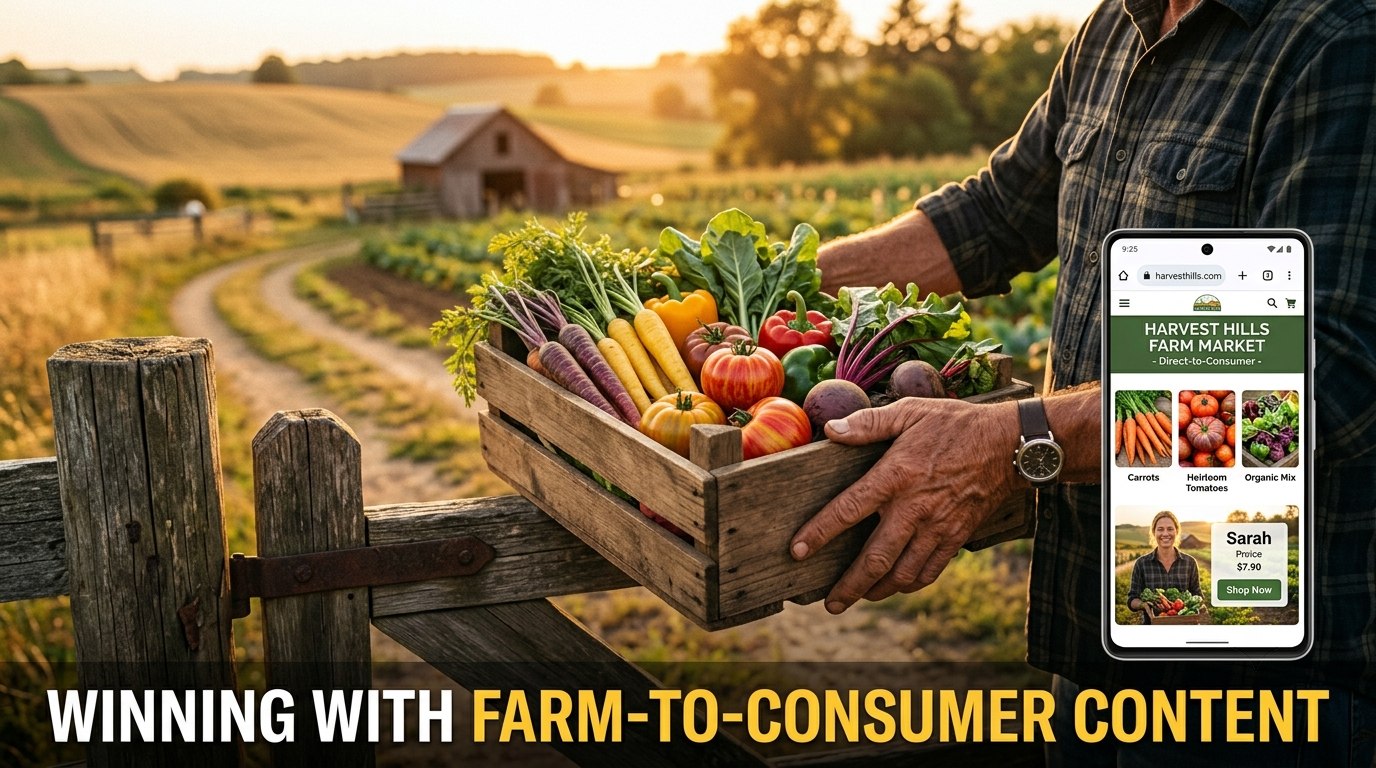
- Mobile-Friendly: Many farmers and consumers access content on their smartphones. Ensure your website is mobile-responsive and your ordering process is simple.
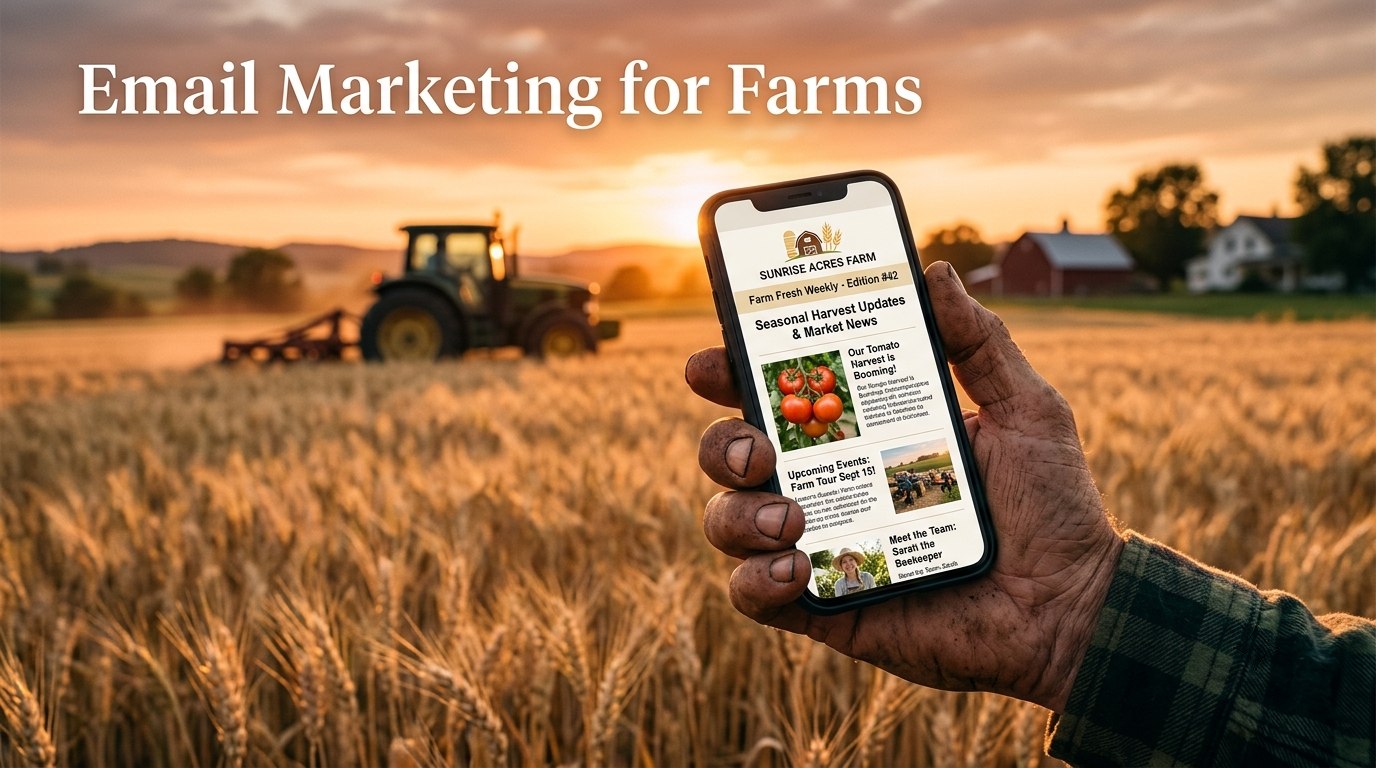
- Collect Customer Info: As Farmers Weekly reports, successful businesses use loyalty cards and email marketing to target customers differently. Knowing your customers allows for personalised communication.
H2: Protecting Your Peace: A Sustainable Approach to Content
One of the biggest risks in creating content is burnout. Dan Venteicher, aka “IowaDairyFarmer,” who has successfully grown an online following, offers crucial advice for navigating this challenge.
H3: Five Tips for a Balanced Online Life
- Guard Your Interior Life: Sharing your daily life can become overwhelming. Protect your peace and the well-being of those around you. Venteicher emphasises that peace isn’t accidental; you must work at it, especially if you’re sharing online.
- Attention is Currency: Be mindful of how you spend your attention. Venteicher warns that algorithms reward emotion, not truth or wisdom. Choose to invest your attention in your family and real life over the demands of social media.
- You Don’t Owe the Internet Access to Your Soul: You can connect with an audience without sharing every detail of your life. “Authenticity has been redefined as oversharing,” he notes. You don’t have to be vulnerable with every single aspect to connect with consumers.
- Engagement is Not Fulfillment: Success on social media isn’t always about the numbers. “Likes do not equal meaning,” Venteicher reminds us. If a post goes viral and the next one doesn’t, it doesn’t mean you’ve done anything wrong.
- Silence is Not Weakness: You don’t need to comment on everything. Taking breaks from posting is okay and even encouraged if social media becomes overwhelming.
H3: Root Yourself Deeper Than the Comment Section
Venteicher’s final piece of advice is fundamental: “If you let the praise go to your head, the criticism will go to your heart. You need to root yourself deeper than the comment section because it will give you both praise and criticism”. This is the key to a sustainable and healthy relationship with online content creation.
H2: Conclusion
Marketing your farm directly to consumers is about more than just selling a product. It’s about building a brand, fostering a community, and telling a story that people want to be a part of. By combining genuine storytelling with practical, educational content and a sustainable approach to social media, you can turn followers into customers and customers into advocates.