Introduction
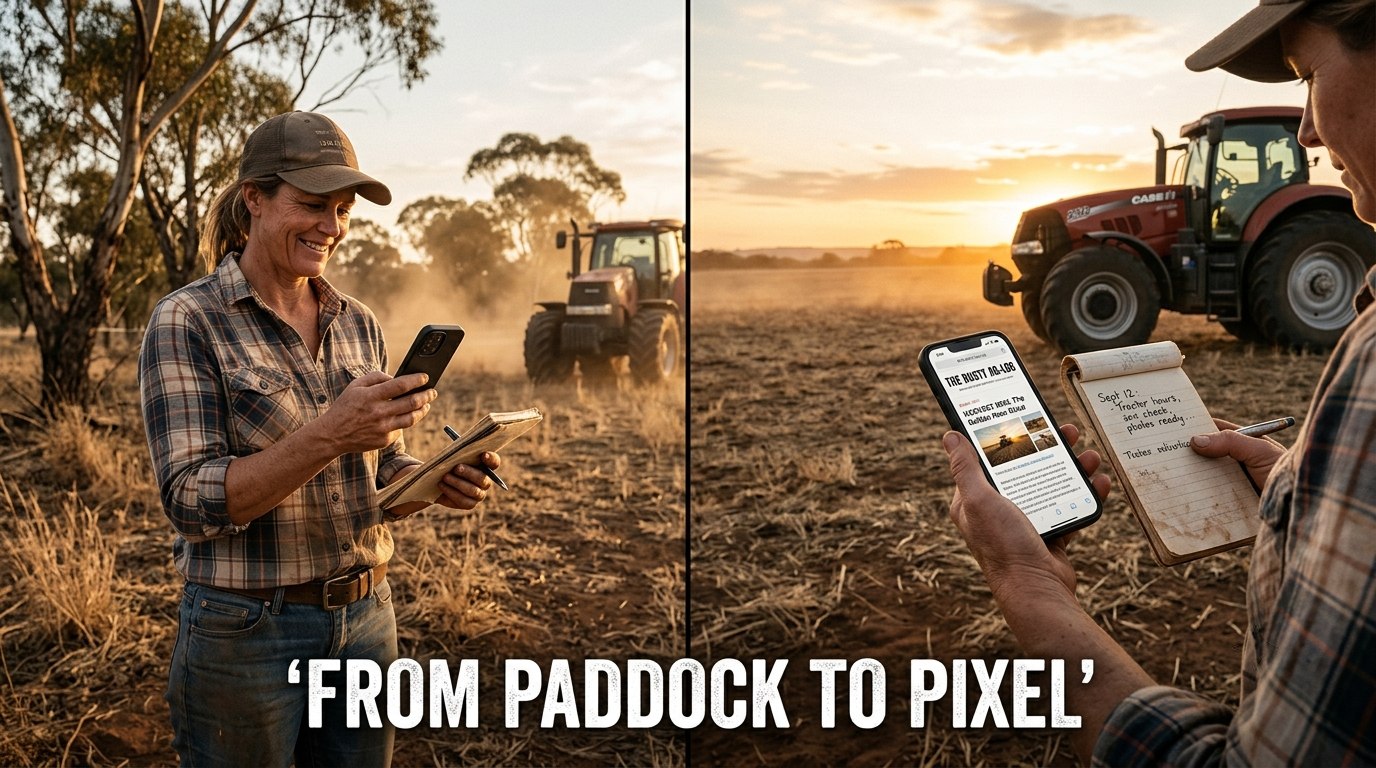
Let’s be honest most agribusiness content is boring. It’s either a thinly-veiled sales pitch or corporate-speak that sounds like it was written by a committee that’s never set foot in a paddock.
But here’s the thing: farmers and rural professionals are hungry for useful information. They’re practical, time-poor, and making decisions that impact their bottom line. If you can create content that genuinely helps them, you’ll build trust that no advertisement can buy .
The question isn’t whether you should be creating content. It’s how to do it in a way that actually works without burning out or wasting time on stuff nobody reads.
This guide breaks down exactly how to build a sustainable content strategy for your agriculture business. No fluff. Just practical, field-tested approaches that respect your time and your audience’s intelligence.
H2: Know Who You’re Writing For (And Why It Matters)
The biggest mistake in agribusiness content? Writing for “everyone on the land.” That’s like writing for “everyone who eats food”—technically true, completely useless.
H3: Build Simple Audience Profiles
Instead, create 2-4 clear profiles based on the customers who matter most to your business :
- Growers (broadacre, horticulture, viticulture, livestock) with specific regions, scales, and pain points like yield, labour, water, or compliance
- Supply chain partners (processors, feedlots, packers) who care about consistency, traceability, and risk
- Rural advisers and influencers (agronomists, nutritionists, consultants) who heavily influence purchasing decisions
For each profile, document:
- What a “good year” and “bad year” looks like to them
- The language they actually use
- Where they get trusted information
- What stops them from saying yes
H3: Listen Before You Speak
If you want your content to land, you need to know what’s already on your audience’s mind. Tune into local Facebook groups, listen to agricultural podcasts, read industry newsletters, and keep an ear out at the footy, school drop-off, or the local show .
Your daily routine is content gold. What feels normal to you is fascinating to someone outside your world—and relatable to those in it. A 10-second video of mustering or a quick photo of lunch in the paddock can spark incredible engagement .
H2: Map Content to the Farmer’s Buying Journey
Farm businesses rarely make major changes overnight, especially for inputs, services, or infrastructure. Design content that supports the long, seasonal journey from “I have a problem” to “I will switch supplier” .
H3: The Four Stages of Agricultural Decision-Making
1. Problem-Aware
Validate pain points like rising input costs, labour shortages, climate variability, biosecurity risks, or market access.
2. Solution-Aware
Explain the different options—biologicals vs synthetic, drip vs overhead, on-farm vs contract services—with clear pros and cons.
3. Product-Aware
Compare your product or service to alternatives, using transparent data, trials, and case studies from farms similar to theirs.
4. Most-Aware
Provide “how to buy” information, implementation guides, ROI calculators, and funding or grant guidance .
Quick Tip: Pick one key product and ensure you have at least one strong piece for each stage above before expanding.
H2: Choose Formats That Actually Work
Agricultural SMEs rarely have a full marketing team. Be selective about formats you can deliver consistently .
H3: High-Impact Content Formats for Agriculture
Deep, Practical Guides
“How to lift lamb growth rates on dryland pasture” or “Step-by-step guide to setting up soil moisture probes.”
Case Studies
Show real results on local farms with paddock photos, data, and clear context—soil type, rainfall, stocking rate, varieties, management changes .
Seasonal Checklists and Calendars
Align content to sowing, spraying, lambing, harvest, and key decision windows .
Short Videos
Your agronomists or technical reps walking through a trial site or answering common questions .
Pro tip: Create fewer pieces with higher quality and better promotion rather than constant low-value posting.
H2: Structure Your Content for Scannability
Farmers value their time. They’re used to making quick decisions based on straightforward information . If your content doesn’t hook them in the first few seconds, they’ll move on.
H3: Web-Friendly Formatting Rules
- Use clear headings: H2 for main sections, H3 for sub-points. Headings should let the user know what they’ll find so they can scan quickly
- Keep paragraphs short: 2-3 sentences per paragraph, one idea per paragraph
- Use bullet points: If you have 3 or more items in running text, put them in a bulleted list
- Write in a conversational tone: Speak directly to your audience as if you were having a one-on-one conversation. Use the language they use
- Use active voice: It makes your writing more direct and engaging
H3: Put the Most Important Information First
Get to the heart of the matter quickly. Focus on how your content can help them solve problems or improve their operations .
Example:
❌ “Welcome to our blog post where we’ll discuss various aspects of sustainable farming practices and how they can be implemented…”
✅ “Want to cut input costs while improving soil health? Here’s what three growers in northern NSW did…”
H2: Build Trust with Real-World Proof
In agriculture, trust is built on results, not claims. To make your content more persuasive :
H3: Use Ag-Specific Evidence
- Include real numbers from trials and commercial farms, with simple explanations of methodology and context
- Use farmer quotes that sound like real conversations, focusing on what changed on-farm
- Show before-and-after paddock photos, grazing charts, stocking rates, or yield maps
- Position your technical staff as trusted educators rather than product pushers
H3: Tell Stories That Help Readers See Themselves
Personal stories work best when they help readers imagine what’s possible in their own world. Include :
- Land details: size, soil conditions, slope, water access, rainfall patterns
- Farm setup: crops, mixed farming, organic inputs, irrigation methods
- Working time: hours per day or week, family or hired help
- Production volume: harvest quantities, seasonal benchmarks
- The journey: timeframe, turning points, challenges and adaptations
H2: Optimise for Search and Mobile
Search behaviour in agriculture is often technical and seasonal. Build your topic list from :
- Keywords farmers actually type (combining issues with regions and seasons)
- Questions you hear in the paddock, at field days, on the phone
- Industry news and regulatory changes that cause confusion
H3: Mobile-First Approach
Many farmers spend more time in the field than at a desk. Ensure your content is :
- Mobile-responsive and easy to navigate on smaller screens
- Fast-loading (optimise images)
- Legible without zooming
- Easy to navigate on limited data and patchy reception
H3: SEO Best Practices
- Focus each page on one clear topic or question
- Use natural language your customers use
- Don’t keyword-stuff—answer search queries with high-quality, relevant content
- Put the most valuable information near the top
H2: Promote Where Farmers Actually Pay Attention
Publishing on your website is only the first step. You need to put each piece in front of the right people multiple times .
H3: Effective Distribution Channels
- Email newsletters timed around key seasonal decisions, with links to your best guides and tools
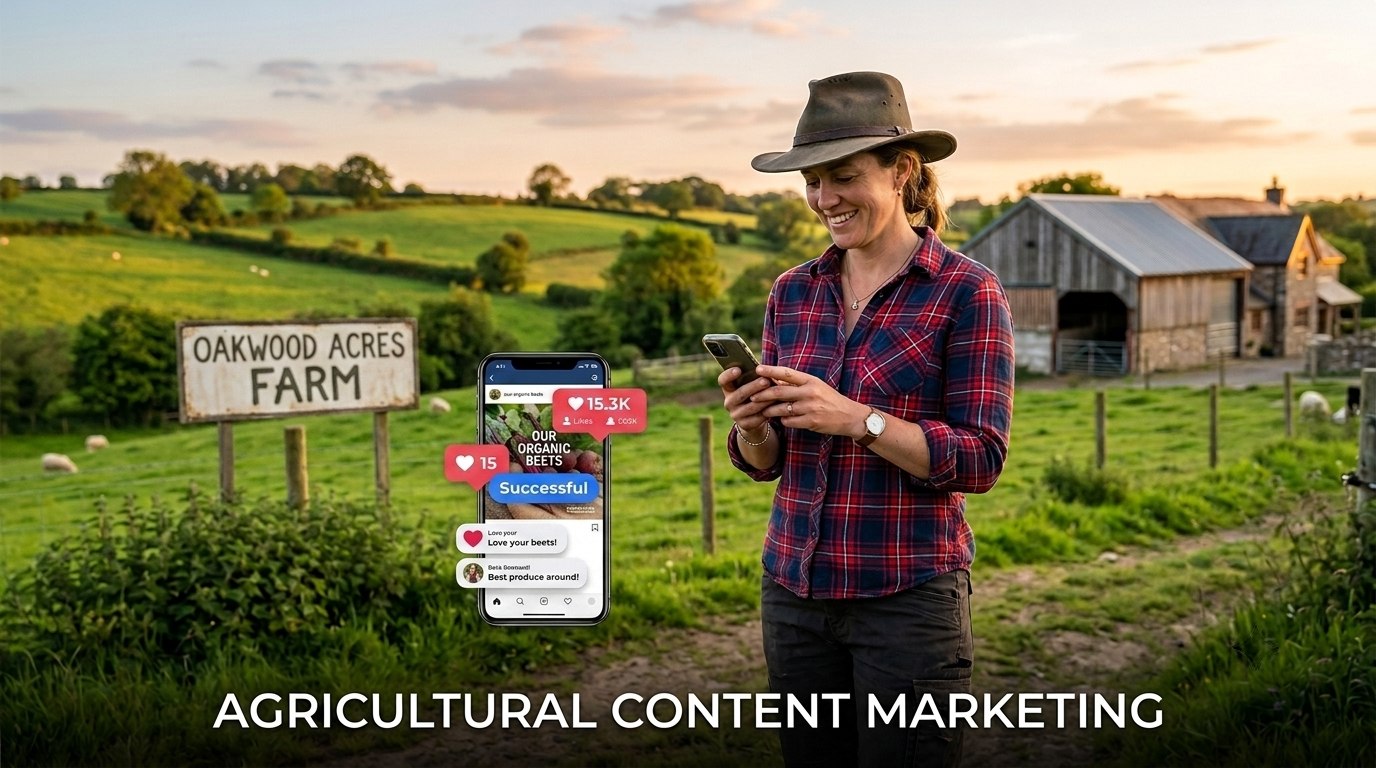
- Facebook, Instagram, LinkedIn, and YouTube using short clips and paddock imagery to drive back to core content
- Partnerships with rural media, industry associations, and local resellers
- Field days, demo days, and conferences—repurpose digital content as handouts, QR-linked resources, and presentations
H3: Content Pillars for Social Media
Instead of posting randomly, rotate through these four pillars :
- Educate: Explain what you do, how it works, why it matters
- Entertain: Show the funny, raw, or relatable side of ag life
- Promote: Talk about your products, services, or events
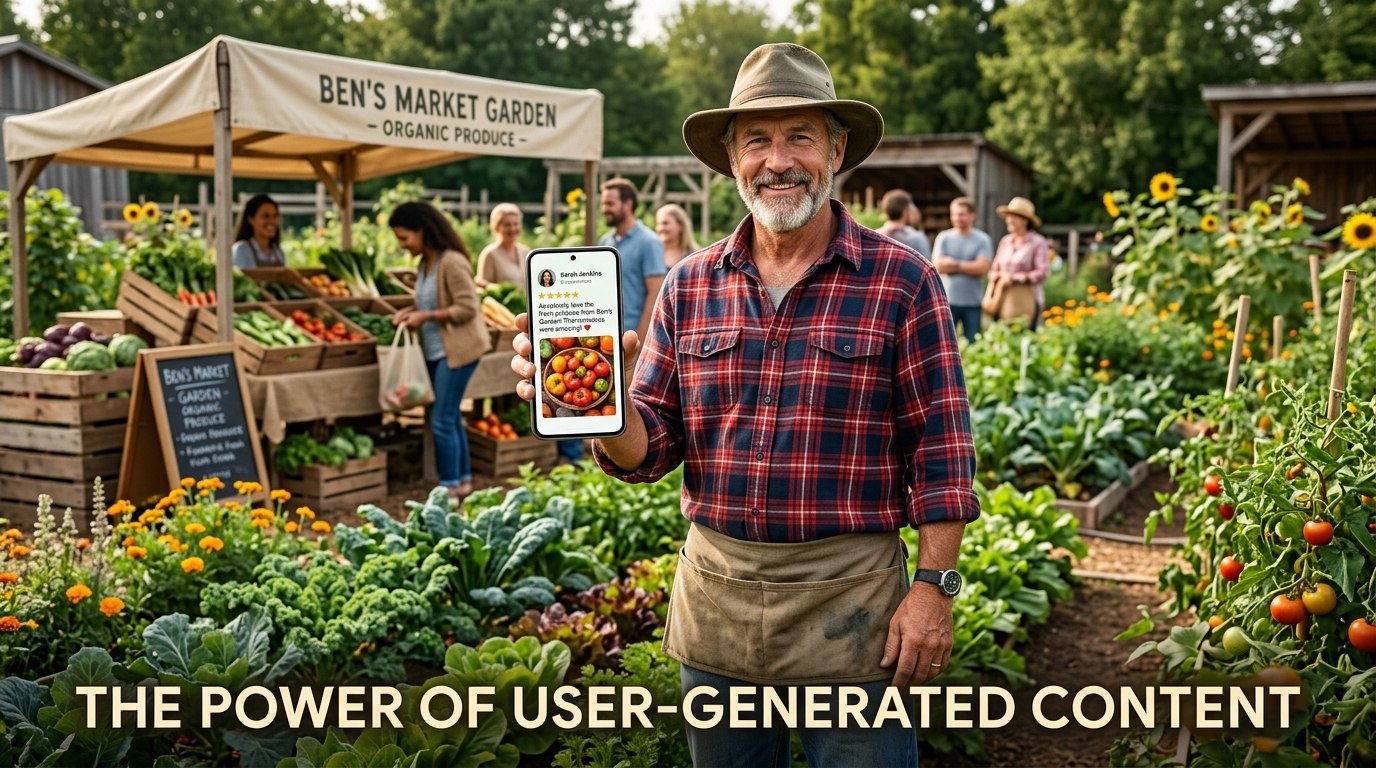
- Inspire: Share quotes, achievements, or user-generated content
Remember: Consistent promotion typically moves the needle more than creating extra content that no one sees .
H2: Measure What Matters and Adjust
For lean teams, focus on tracking :
- Which pages and topics attract the most engaged traffic and lead to enquiries
- Which emails or posts drive visits from your key regions or segments
- Which pieces your sales and agronomy teams actually use in the field
Each season, decide what to update, repurpose, or retire based on data and feedback .
H2: Conclusion – Your Next Steps
Building a content strategy for your agriculture business doesn’t have to be complicated. Here’s your action plan:
- Define 2-4 audience profiles and document their pain points
- Map existing content to the buyer’s journey (problem → solution → product → purchase)
- Choose 2-3 formats you can deliver consistently
- Create one pillar piece (a deep guide or case study) and repurpose it across channels
- Promote relentlessly—consistent distribution beats constant creation
- Track what works and adjust each season
Your content doesn’t have to be perfect. It just has to be real. Rural audiences value honesty, humour, and heart over polish and perfection. By anchoring your content in the real world—your world—you’ll build trust, grow your presence, and connect with the people who matter most .ome to WordPress. This is your first post. Edit or delete it, then start writing!
Hi, this is a comment.
To get started with moderating, editing, and deleting comments, please visit the Comments screen in the dashboard.
Commenter avatars come from Gravatar.